
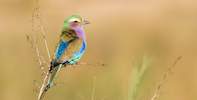
The Best Time to go Birding in Kruger Park
Between October and March is when the bird population swells by approximately 200 migrant species that have flown south from elsewhere in Africa and from Eurasia. Migrants and nomads normally arrive after the first summer rains when the availability of water ensures that food is plentiful. Most depart by the second week of April.
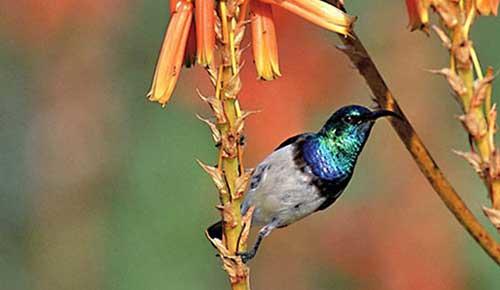
Top Ten Birding Drives
Those routes with the biggest variety of habitat and generous riverine bush are more likely to throw up "lifers". In researching this project, it become clear to the authors, where the most rewarding birding drives are to be found. Explore the Best Birding Drives
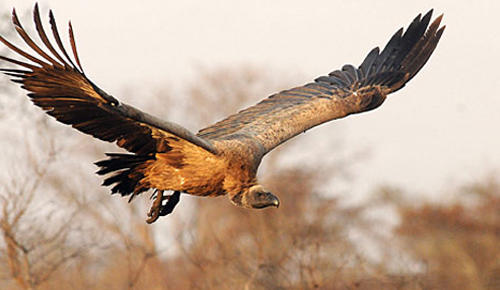
Kruger Park Raptor Guide
Of the 83 species of raptor that regularly occur in southern Africa, 58 species are common to Kruger Park. See a comprehensive guide about: Buzzards, Eagles, Falcons, Kestrels and of course Vultures...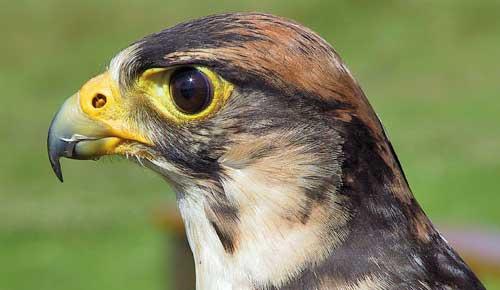
Birds Eye View of Kruger
Everything for the Enthusiast and the Amatuer Here you will find a Kruger Park Birding Calendar, Bird Migration Routes, Endangered Species and Kruger's Summer Visitors from the northern hemisphere winters.
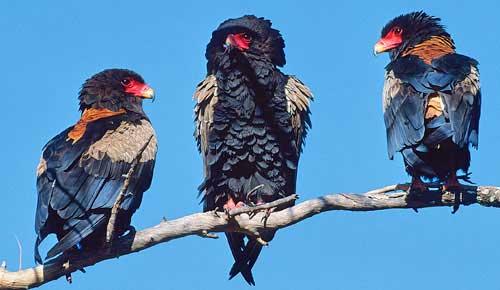
Kruger Park Birding Route Maps
This collection of over 60 different routes is ideal for self-drive bird-watching tours, enabling you to seek out your favourite species around the various regions of the Park. This guide will also help you locate the ideal Camps & Lodges on those routes.
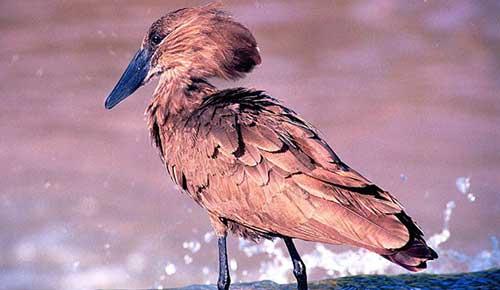
Birding Quick Guides
All you need to know about endangered bird species in Kruger Park: Best Birding Tips, Borderline Endangered Species, Kruger's Most Endangered Birds and a Camp Quick-guide
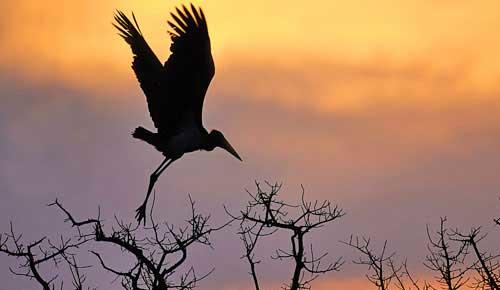
Birding Trails and Hides
For enthusiasts and novices, these resources & expert advice will come in handy: Bird Hides, Birding Trail Hikes, Nigel Dennis' Photography Tips and Sleep-Over Bird Hides.
Which Birds? Which Region?
Everything for the enthusiast and the amateur.Birding is all about habitat, and birds are generally to be found in the habitat that most favours their feeding requirements.
So before you take your next birding holiday in Kruger National Park, here's where you can readup on all the best self-dive routes, and what birds are predominant in which area.
The Thrill of Birding in Kruger Park
Each trip to Kruger deepens one's affinity to the birds of the bush and produces something new or different. Birding in Kruger is an experience that gets deeper over time with the joy of the familiar sighting - confirming one's existing knowledge - and the thrill of the unexpected. No two birding trips to Kruger are ever the same.A Note on Nomenclature
This birding information follows the lead of Roberts VII. for bird names. All new name changes have been adopted - with one exception. The common Yellow-billed Kite (Milvus migrans parasitus) has been deliberately retained while recognising that it has been scientifically re-classified as the same species as the Black Kite (Milvus migrans).
The main justification is that the Yellow-billed Kite is one of the most commonly seen raptors, while the Black Kite is an occasional visitor. To talk about them in the same breath as far as Kruger is concerned is to invite confusion (see Kites ). All new bird name changes are marked with an *.
